
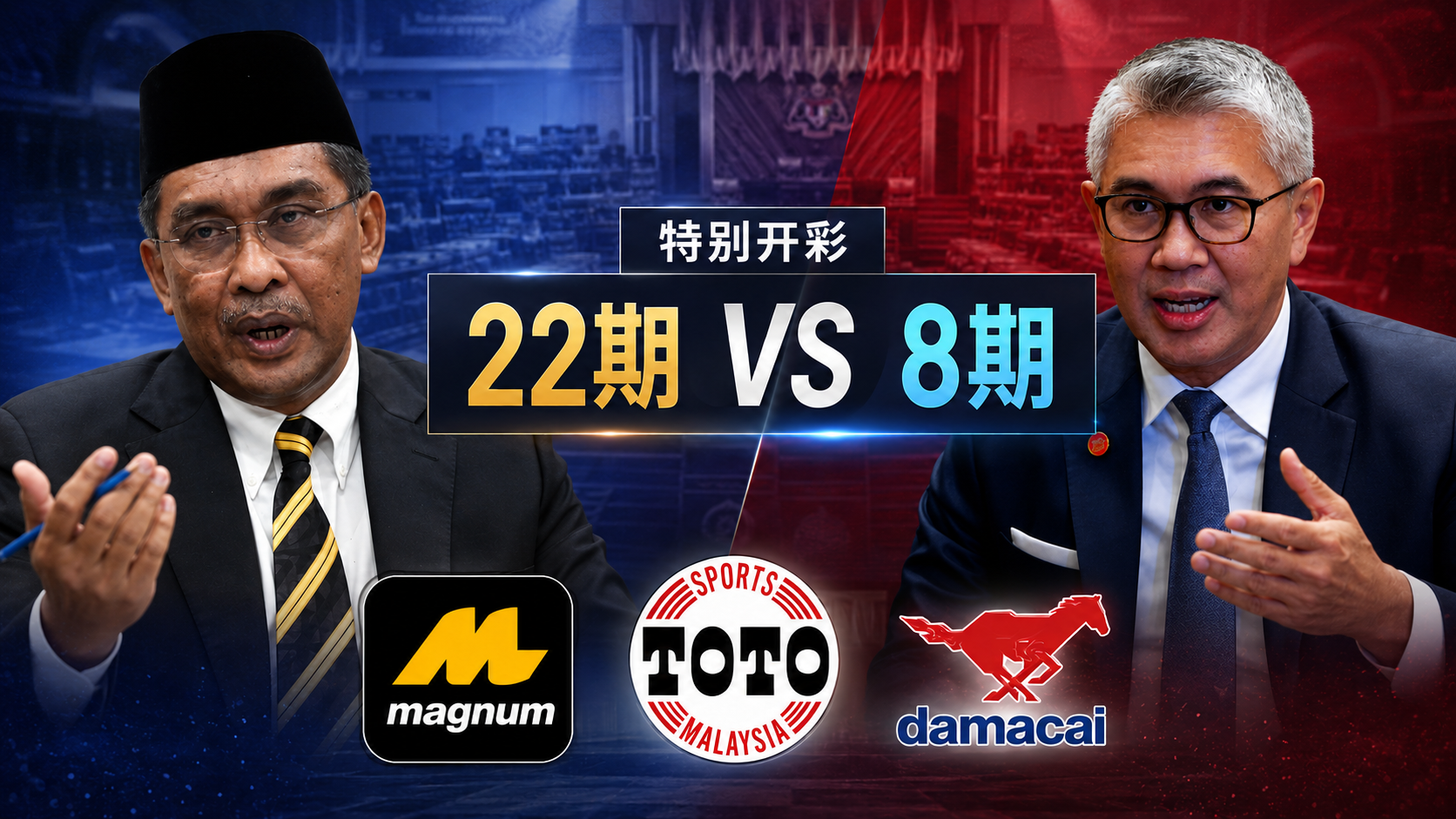
Malaysia’s 4D special draws have once again become a political talking point. Former finance minister Tengku Zafrul said the previous government’s decision to increase the annual number of special draws from eight to 22 was a collective responsibility.
PAS secretary-general Datuk Seri Takiyuddin Hassan later disputed the claim. He said the matter was never brought to the Cabinet and that not every minister in the the previous government should be held responsible for the decision.
The debate centres on whether the increase to 22 special draws was decided by the Finance Ministry alone or should be treated as a policy backed by the entire government. Politics aside, Malaysia’s draw records over the past 27 years are fairly clear: special draws are not new, and the 22-draw limit was not introduced during the Covid-19 pandemic.
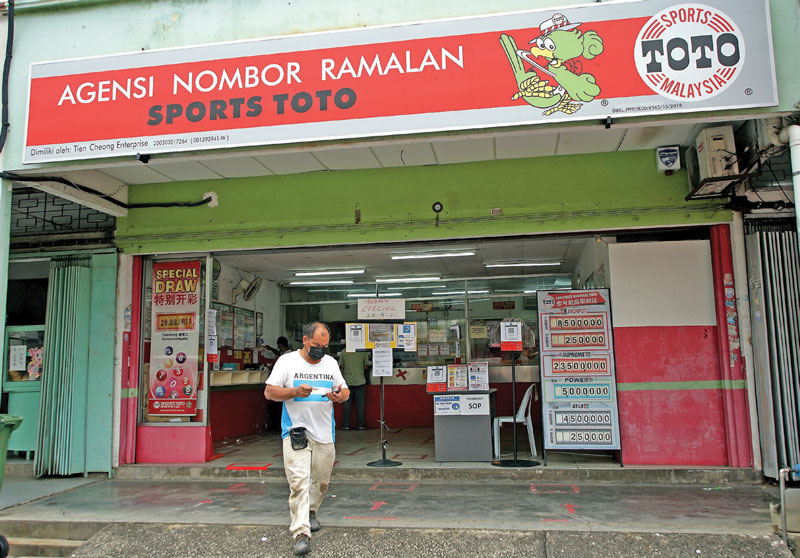
Malaysia’s 4D Special Draws Began in 1999
Special draws in Malaysia can be traced back to 1999, when the country was dealing with the Nipah virus outbreak. The government allowed lottery companies to hold extra draws to raise funds for pig farmers affected by the outbreak and to support related recovery efforts.
At the time, there were three regular draws each week, along with up to 22 special draws a year. With around 156 regular draws annually, the additional draws meant that some weeks also featured a special Tuesday draw.
The arrangement was not discontinued after the Nipah virus outbreak ended. Instead, special draws gradually became part of the industry’s regular annual schedule. Based on previously released figures, the government collected about RM238 million from special draws in 2017.
Barisan Nasional Era: Up to 22 Special Draws a Year
Between 1999 and 2018, when Barisan Nasional governed the country, the annual limit remained at up to 22 special draws. This means the 22-draw limit was not a new record created by the Perikatan Nasional government. It had already been used for many years before the pandemic.
It is important to understand that the figure of 22 refers only to the additional draws approved by the Finance Ministry. It does not include the regular Wednesday, Saturday and Sunday draws.
In other words, the current political controversy concerns the extra draws added to the annual calendar, not the total number of draws held throughout the year.

Pakatan Harapan Cut the Number to 11, Then 8
Following the change of government in 2018, the Pakatan Harapan administration began reducing the number of special draws. The total was cut from 22 to 11 in 2019 before being reduced again to eight in 2020.
However, reducing the number of special draws did not affect the regular draws held on Wednesdays, Saturdays and Sundays. The change mainly reduced the number of additional Tuesday draws. It did not mean that only eight draws were held throughout the entire year.
Perikatan Nasional Era: 22 Draws Returned in 2021
After Perikatan Nasional came to power in 2020, the government approved the return of 22 special draws a year. In a written parliamentary reply in 2021, then finance minister Tengku Zafrul confirmed that the government had allowed lottery companies to hold 22 special draws that year.
The decision was already controversial at the time. PAS leaders said the party and its representatives in the government had objected to the increase. They also claimed that the decision was made at the Finance Ministry level and was never presented to Cabinet.
The issue returned to the political spotlight in 2026. Zafrul said the increase was a collective responsibility of the previous government. Takiyuddin, however, maintained that he did not see the matter being brought before Cabinet during his time as a minister.
The present dispute is therefore about how the decision was made and who should be held responsible. The official records show that the annual number of special draws was increased from eight to 22 in 2021.
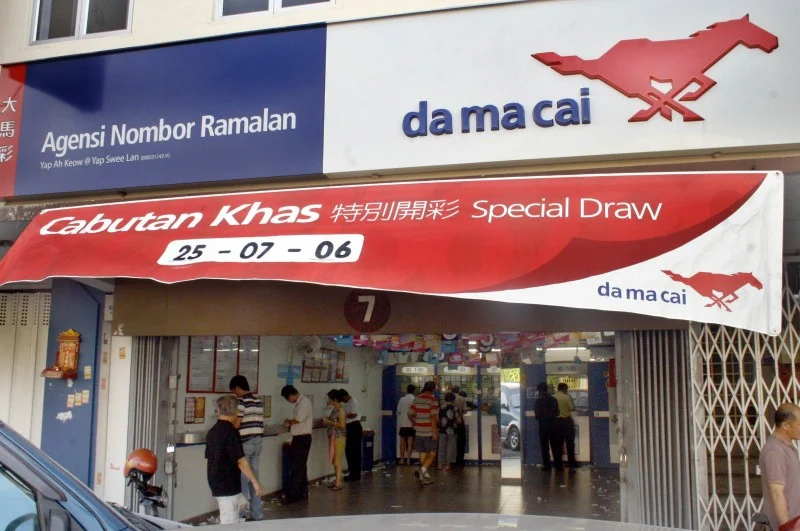
Unity Government Reduced the Number to 8 in 2023
After Datuk Seri Anwar Ibrahim became prime minister and finance minister in December 2022, he announced that the annual number of special draws would be reduced from 22 to eight from January 1, 2023.
The government has since maintained the limit of eight special draws a year. Malaysia’s record under different governments can be summarised as follows:
| Year and government | Annual special draws |
|---|---|
| 1999–2018, Barisan Nasional | Up to 22 |
| 2019, Pakatan Harapan | 11 |
| 2020 | 8 |
| 2021–2022, previous administrations | 22 |
| 2023–present, Unity Government | 8 |
How Do 22 and 8 Special Draws Affect the Market?
Reducing the annual number from 22 to eight means 14 fewer special draws a year. Malaysia normally has three regular draws each week, or about 156 a year. With 22 special draws added, the annual total can reach around 178. With only eight special draws, the total falls to approximately 164.
For players, the most obvious change is the lower number of Tuesday draws. When 22 special draws are approved, an extra draw may be held once every two or three weeks on average. With only eight a year, the gap between each special draw becomes much longer.
For companies such as Sports Toto, Magnum and Da Ma Cai, additional draws create more sales days and may generate higher ticket sales. The government also receives revenue through taxes collected from the lottery industry.
More special draws could therefore increase the government’s potential tax revenue. However, the actual amount depends on total ticket sales and official tax rates. It cannot be calculated based only on the number of draws.
The difference between 22 and eight special draws is therefore more than just a political number. It affects the annual draw calendar, how often players take part, the business of lottery outlets, the revenue of lottery companies and the taxes collected by the government.
Readers can visit 4D Today to check the latest draw information and results from Malaysia’s major lottery companies. The annual dates and number of special draws should always be confirmed through announcements from the Finance Ministry and the respective companies.